PILGRIMAGE BLOG
The Physiological Benefits of Meditation: A Path to Better Health
The Physiological Benefits of Meditation: A Path to Better Health
By Steve “Oak” Jackson
Meditation 1 is often associated with spiritual well-being, emotional balance, and greater mental clarity. Over the years, however, a growing body of scientific research on meditation has uncovered numerous physiological benefits that directly contribute to physical health. From reducing stress and lowering blood pressure to improving immune function and enhancing mental health, the practice of meditation has been shown to profoundly and beneficially impact the body.
This article explores meditation’s many physiological benefits, providing insight into how this ancient practice can support and improve physical health.

Reduction in Stress and Anxiety
One scientifically documented physiological benefit of meditation1 is its ability to reduce stress. Stress activates the body’s “fight or flight” response, triggering the release of stress hormones like cortisol and adrenaline. These hormones prepare the body for immediate action, but prolonged activation of this stress response can have harmful effects, contributing to conditions such as hypertension, heart disease, digestive problems, weakened immune function, chronic anxiety, etc.
Meditation, particularly mindfulness meditation, helps counteract this stress response by engaging the parasympathetic nervous system, which is responsible for the body’s “rest and digest” functions. Through meditation, individuals can activate the relaxation response, lowering cortisol levels and reducing the overall impact of stress. Numerous scientific studies on meditation have demonstrated that individuals who meditate regularly experience lower levels of stress and anxiety and report feeling more relaxed and centered in their daily lives.
Lower Blood Pressure
High blood pressure, or hypertension, is a common health issue that increases the risk of heart disease, stroke, and kidney problems. Meditation has been shown to lower blood pressure by helping to regulate the autonomic nervous system. The autonomic nervous system controls involuntary bodily functions, including heart rate, breathing, and blood pressure. Mindfulness meditation practices have been associated with reductions in both systolic and diastolic blood pressure. The mechanism behind this effect is thought to be related to the relaxation response triggered by meditation, which leads to vasodilation (widening of blood vessels), reduced heart rate, and improved circulation. Meditation has also been found to improve vascular function by enhancing endothelial health, which plays a key role in regulating blood flow and blood pressure.
Improved Immune Function
A robust immune system is essential for defending the body against infections, diseases, and other health threats. Meditation has been shown to improve immune function by reducing stress and promoting a state of deep relaxation that supports immune health.
Research indicates that regular meditation can increase the production of immune cells such as T-cells, which play a critical role in identifying and attacking pathogens, and natural killer (NK) cells, which help combat viral infections and cancer cells. A study published in Psychosomatic Medicine 2 found that participants who underwent a mindfulness meditation program had higher levels of antibodies in response to an influenza vaccine, suggesting an enhanced immune response. This is significant because it demonstrates that meditation can directly impact the body’s ability to fight off illness.
Improved Heart Health
Meditation offers many benefits for heart health. One of the most notable is its ability to reduce heart rate and lower blood pressure, contributing to a reduced risk of cardiovascular diseases.
Additionally, meditation can help improve heart rate variability (HRV), an indicator of the heart’s health and ability to adapt to changing conditions. A higher HRV is associated with better cardiovascular health, greater resilience to stress, and improved autonomic nervous system regulation. Meditation can enhance HRV by promoting relaxation, improving emotional regulation, and reducing the effects of chronic stress. Studies have shown that individuals who practice meditation regularly have better HRV than those who do not, indicating better heart health and greater cardiovascular resilience.

Enhanced Respiratory Function
Breathing exercises, often incorporated into meditation practices like pranayama 2 (a form of yogic breathing), can significantly improve respiratory function.
Pranayama involves controlled breathing techniques that help regulate the flow of air into the lungs and improve lung capacity. Regular practice of these breathing techniques can increase the respiratory system’s efficiency, improve tissue oxygenation, and enhance overall lung health.
In addition to improving lung function, meditation can help individuals develop a more relaxed and efficient breathing pattern. People who meditate tend to breathe more deeply and slowly, which can improve oxygen intake, reduce the frequency of shallow breathing, and promote relaxation. This enhanced respiratory efficiency is especially beneficial for individuals with respiratory conditions such as asthma, chronic obstructive pulmonary disease (COPD), or anxiety-related breathing disorders.
Pain Reduction and Management
Chronic pain affects millions of people worldwide, often leading to diminished quality of life. Meditation is an effective tool in managing chronic pain by altering the way the brain processes pain signals. Studies have demonstrated that mindfulness meditation and other meditation techniques can reduce pain by changing the brain’s response to pain stimuli. The practice of mindfulness helps individuals become more aware of their pain without becoming overwhelmed by it. By learning to observe pain without judgment or resistance, people can reduce the emotional suffering associated with chronic pain. In some studies, participants who meditated regularly reported lower pain intensity and greater pain tolerance. Meditation can also improve the body’s ability to manage pain by increasing the production of endorphins, the body’s natural pain-relief chemicals.
Improved Sleep Quality
Meditation can significantly improve sleep quality by promoting relaxation and reducing the physical and mental tension that interferes with sleep. Many people report suffering from insomnia or poor sleep due to stress, anxiety, or overactive thoughts. Meditation helps address these issues by calming the mind and reducing the physiological arousal that prevents restful sleep.
Progressive muscle relaxation, guided imagery, and deep breathing techniques, often incorporated into meditation, can help relax the body and prepare it for better sleep. Studies have found that individuals who regularly practice meditation report falling asleep faster, experiencing deeper sleep, and waking up feeling refreshed. Improving sleep quality can also positively impact overall health, as adequate sleep is essential for immune function, cognitive performance, and emotional well-being.
Neuroplasticity and Brain Health
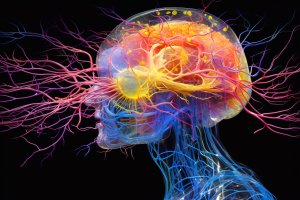
Meditation is also known to promote brain health through a process called neuroplasticity, the brain’s ability to reorganize itself by forming new neural connections. Regular meditation has been shown to increase the gray matter in areas of the brain associated with memory, learning, and emotional regulation, such as the hippocampus and prefrontal cortex.
Additionally, meditation can help reduce the size of the amygdala 3, the part of the brain responsible for processing emotions like fear and stress. A smaller amygdala is associated with reduced emotional reactivity, improved emotional regulation, and better overall mental health. Meditation has been linked to enhanced cognitive function, better attention, improved memory, and greater concentration ability.
Conclusion
Meditation is more than just a mental practice—it has profound physiological benefits that support physical health and well-being. From reducing stress and lowering blood pressure to improving immune function and promoting heart health, the physiological effects of meditation can be transformative. By incorporating meditation into daily life, individuals can not only enhance their mental and emotional health but also improve their overall physical health. With ongoing research shedding light on the powerful connections between the mind and body, meditation continues to emerge as a valuable tool for supporting long-term health and wellness.