PILGRIMAGE BLOG
Yoga & Social Justice Book Club
Introducing Our Yoga and Social Justice Book Club
Yoga teaches us about unity. More than a physical practice, the word yoga is typically defined as ‘to yoke’ or joining two things together. In the West, we consider this union to be between the body and mind, though Indian philosophy tells us that the two are already intertwined.
Here at Pilgrimage Yoga, we believe in creating space for learning and conversations about social justice. By joining the topics of yoga and social justice together we have the opportunity to learn from each other and create more unity within our community.
We sat down with Lena Schmidt and Marie Barranco who facilitate the studio’s monthly Book Club, and here’s what they had to say.
Q&A with the Facilitators of Pilgrimage’s Yoga and Social Justice Book Club
What does it mean to pair yoga with social justice? And how does the practice of yoga relate?
Lena: How do they not relate? Yoga is about connection. Social justice is about connection. Yoga is about the body. Social justice is about the body.
If we do not acknowledge and attend to the fact that structural inequalities related to race, gender, class, sexuality, religion, nationality, and the unique intersections of these impact our individual ability to breathe, dance, eat, sing, love, and sleep safely, we are not practicing yoga.
Marie: To me, yoga is a practice of liberation. It reminds us of the essence of who we are and what we are capable of. It shows us the inherent interconnectedness of all things, and within that, it reveals the necessary relationship between individual and collective well-being so that all beings may be free and live in peace.
By utilizing the tools yoga offers us, I believe our practice can be a catalyst for creating a more just world within ourselves, our relationships, and our communities.
Can you give some examples of what the Pilgrimage Yoga & Social Justice Book Club community discussion includes?
Lena: Our yoga + social justice community discussions include grounding breath exercises, community commitments, guiding questions from the facilitator, and open discussion among the group.
We center the discussion around an article or book, connections to yoga practice, and action items we can all take with us. There is a lot of laughter, Zoom hearts, head nods, witnessing, encouragement, listening, and sharing of resources :)
Marie: We generally begin with a guided meditation and grounding before getting into our discussion. Then, we usually open the floor for folks to share salient points or thoughts about what we’ve read.
We’ll draw connections between the reading and yoga philosophy, yoga spaces, and/or our own experience of yoga. It’s very organic, and there is never any pressure to share.
I feel a lot of compassion and deep listening from each person in the space every time we meet, and it’s really powerful. All are welcome to come, even if you prefer to keep your video off and just listen. By the end of our time together, we weave it back to brainstorming actionable steps we can each take to make positive social change in our worlds. Our discussions always leave me feeling inspired and connected!
Why is it important to have these conversations with others?
Lena: Because we can’t do it alone. It is essential to hear other people’s experiences, voices, and ideas for positive change to happen.
It has been enlightening to hear the experiences, for example, of some students of color attending yoga classes–as a white woman who teaches and practices yoga, it is imperative that I hear these stories.
When I am aware of experiences that differ from my own, I can make my classes more affirming so that students who have historically felt that yoga is not for them will feel more welcome and safe in my classes.
Marie: These conversations are crucial so that we can integrate yoga into our thoughts, words, and actions beyond the four corners of our mat.
Conversations about yoga and social justice can help us gain ideas about how we can show up in the world from a more heart-centered, love-centered, justice-centered place. These conversations can be hard! We definitely can’t do it alone, which is why we come together as a community to support the process of learning.
Learning means being willing to be in the messy process of it all — and inevitably, we’re going to mess up! We may cause harm. And I think the fear of causing harm is what keeps many people from having these conversations at all. But as long as we are willing to commit to the process, including taking radical accountability for the ways in which we might mess up, it’s the only way forward, in my opinion. It’s how we change ourselves and our world for the better. So, we come together to support that process.
Lastly, I’ll say it’s important to hear from the many different lived perspectives of those in the group. For me, it reinforces that there are many truths and all of our experiences are valid. The more we can hold space for more than just the dominant narrative, the more we free up room in the world for each of us to feel connected, held, seen, supported, and treated with dignity and love.

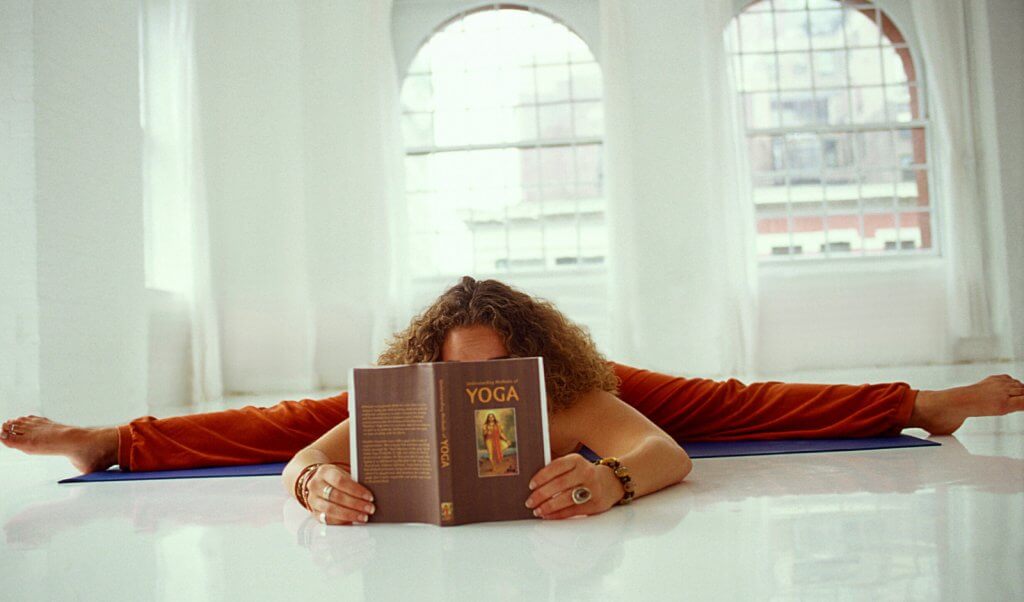
Photo by Rachel Claire from Pexels
Tell us a little bit about your background and how you became involved with activism.
Lena: When I was in high school, I went on a trip called Sojourn to the Past where we followed the path of the Civil Rights Movement through the American South for ten days and met “ordinary people who did extraordinary things,” like putting their lives on the line for an equal education and voting rights.
This experiential educational trip was life-changing for me and inspired me to go to college because even though I loved school, knowing how hard people worked to make it accessible made it important for me.
I went to Thurgood Marshall College at UC San Diego, where the emphasis was put on being both a scholar and a citizen. I majored in Ethnic Studies, which is like Sociology + History with an eye towards social justice. I went on to get a Master’s Degree in Women’s Studies from San Diego State University.
I was always bothered by the discussions of activism within academia without much actual action, so I planned to teach elementary school and teach kids about social justice issues through arts and creativity. In its predictably unpredictable winding way, my path led me to work for some non-profit organizations, volunteer with refugees, and then to a year of AmeriCorps service.
In AmeriCorps VISTA, I worked in community connections with the San Diego County District Attorney’s office helping reduce recidivism by providing resources to folks who were coming back into the community after incarceration, working with families who have a family member in jail or prison, and creating prevention education curriculum for young girls (this empowerment toolkit is now taught in schools and afterschool programs!) Now I am passionate about education, movement, and art as activism.
Marie: I studied sociology as a college undergrad, and that opened me up to the world of activism both on-campus and during my time living abroad in South America, where I studied social movements. Over the past decade, my activism has taken on many new forms and shapes, and I enjoy seeing its continual evolution.
To me, it is a reminder that we all have a unique, ever-evolving role to play in the ecosystem of change. Activism is not just about being on the front lines of marches (though that can be an important and invigorating form of it!); it is about finding the avenues through which you can effect change in a way that feels authentic to you, your strengths, and your passions.
Activism is inclusive of, but not limited to, having hard but important conversations, making choices and living in alignment with our values, and centering love for ourselves and all beings.
How can yoga teachers and students show up and help people in their communities related to social justice?
Lena: Often, yoga teachers are the only ones speaking during a yoga class. Therefore we have power; therefore, we have responsibility.
Though each asana or meditation class does not have to be a TED talk on social justice, here are some simple ideas: Say hello to your students. Learn their names. Encourage students to do the same with each other. Acknowledge difficult issues happening in the world before, during, or after your class. Share quotes from authors of color and a variety of genders during class. Wear your Black Lives Matter t-shirt to teach. Put that Human Rights Campaign equal symbol on the reusable water bottle you bring to class. Keep taking trainings and workshops on making your classes trauma-informed, accessible, and affirming for trans students, students with disabilities, students who are neurodiverse, and smart, inclusive cueing.
Luckily many of the themes we find in yoga are the same ones we find in social action, so it is not a far stretch to theme a class around social justice: compassion, love, community, nature, connection, breath, courage. Dare yourself to be vulnerable. There are so many more ideas…what else can you think of?
If you’re interested in learning more and joining in on the discussion or simply listening to the voices of our community sign-up for our book club. It’s free for everyone and we look forward to learning with you!
Written by Kara Willingham for Pilgrimage Yoga