PILGRIMAGE BLOG
The Ultimate Beginners Guide to Yoga
The Ultimate Beginners Guide to Yoga
By Lexi Bann
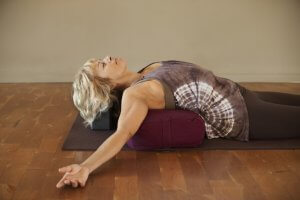
So, you’ve decided to start your yoga journey. The spark of inspiration to do Yoga is bright! Cats do yoga; Dogs do, too! You’ve seen the calendars. Yoga is for everyone, and the glow you get from beginning a yoga practice is a one-size-fits-all glow. This ancient practice, hence the Sanskrit names for postures, helps align your spine and psyche. Many beginners are concerned about lacking the flexibility to form a human pretzel; in reality, it’s an accessible exercise to untangle stress and make peace with the mind, body, and spirit. Woo-woo aside, yoga is an easy way to improve posture, strength, balance, and flexibility with an undeniable feel-good effect. So, beginner yogis, grab a mat and let’s flow.
Here are some tips and advice for beginners starting yoga:
- Start Slowly: Keep it simple and take it easy. Rushing into advanced poses is a risky business. Beginning with basic yoga poses will gradually build strength, balance, flexibility, and confidence. Foundational yoga poses like Mountain Pose, Downward Dog, Cobra, Low Lung, Warrior 1, Warrior 2, and Child’s Pose are great for focusing on alignment and breath. (pictures desirable)
- Listen to Your Body: Be aware of how your body feels during each pose. No pain or suffering is required. If something doesn’t feel right, ease off or modify the pose. Yoga is about honoring your body’s limitations and capabilities.
- Breathe Mindfully: The breath is an essential aspect of yoga. Coordinate your movements with your breath. Inhale deeply through your nose, fill your lungs, and exhale fully through your mouth—generous breaths to cultivate energy and release tension.
- Use Props: Props like blocks, blankets, and straps (picture desirable) can help you achieve good alignment and make poses accessible. They can also provide support, especially if you struggle with flexibility or balance.
- Stay Consistent: Practice regularly, even if it’s just for a few minutes each day. A morning or evening routine can encourage growth and progress. Over time, you’ll notice improvements in strength, flexibility, and overall well-being. Consistency is key!
- Be Patient: Yoga is a journey, not a destination. This practice helps you become friends with yourself and your body. Results take time, so don’t get discouraged if you don’t see progress immediately. Trust the process and be patient with yourself.
- Find a Good Teacher: Guidance is always appreciated. Whether through a local yoga studio or an online video, attend a class taught by an experienced instructor. Finding an instructor that teaches an inclusive style can provide guidance, corrections, and modifications to suit your needs.
- Warm-Up Properly: Start your practice with a gentle warm-up to prepare your body for more intense yoga poses. Simple stretches or sun salutations will get the body fired up!
- Stay Hydrated: You can’t pour from an empty cup! Bringing a full hydro flask with you. Drink plenty of water before and after your practice to stay hydrated. Avoid eating a big meal right before yoga so you can move comfortably.
- Rest when Needed: Taking breaks during your practice is okay, especially if you’re tired or overwhelmed. The child’s pose is a great resting posture that you can use anytime to take a moment, catch your breath, and recalibrate.
- Stay Present: Yoga is more than just physical exercise; it’s also about cultivating mindfulness and presence. Staying present and focused on your breath and sensations in the body throughout your practice enhances the whole experience.
- Have Fun: Allow yourself to enjoy! Yoga is meant to be a joyful and fulfilling practice. Explore different styles and poses, and don’t take yourself too seriously.
Here are some resources that help beginners start their yoga journey with confidence and enjoyment:

- Online Videos and Websites:
- YouTube: There are excellent yoga channels on YouTube offering free yoga classes for beginners. Channels like Yoga with Adriene, Yoga with Kassandra, and Yoga by Candace are popular choices.
- Yoga Websites: Websites like DoYogaWithMe.com, YogaAnytime, YogaJournal.com, and Gaia.com, offer a variety of free and paid yoga classes for students of all levels.
- Yoga Apps:
- Apps like Down Dog, Yoga Studio, and Daily Yoga provide guided yoga classes suitable for beginners. Many apps offer customizable sessions based on your skill level, duration preferences, and focus areas.
- Books:
- “The Heart of Yoga: Developing a Personal Practice” by T.K.V. Desikachar is a comprehensive introduction to yoga philosophy that provides guidance on developing a personal yoga practice.
- “Light on Yoga” by B.K.S. Iyengar
is a classic yoga text that covers yoga poses (asanas) in detail, along with their benefits and variations.
- Local Yoga Studios:
- Many yoga studios have beginning yoga classes for newcomers. Attending in-person classes can provide hands-on guidance from experienced instructors and a sense of community.
- Yoga Retreats and Workshops:
- Consider attending a yoga retreat or workshop geared towards beginners. These immersive experiences often provide intensive instruction and the opportunity to deepen your practice in a supportive environment.
- Online Communities:
- Joining online yoga communities on social media platforms like Instagram, Facebook, or Reddit can be a great way to connect with other beginners, share experiences, and seek advice from more experienced practitioners.
- Local Community Centers or Gyms:
- Check if your local community center or gym offers beginner yoga classes. These classes are often affordable and accessible to people of all fitness levels.
- Private Instruction:
- Hiring a private yoga instructor for one-on-one sessions could be a fun option if you prefer personalized guidance. This allows you to receive individualized attention and feedback tailored to your specific needs and goals.
Remember, yoga is for everyone regardless of age, body type, or fitness level. Embrace the process with patience and self-compassion, and your practice will naturally evolve. May these resources support your unique yoga journey towards peace, confidence, and joy. Om and Namaste!